
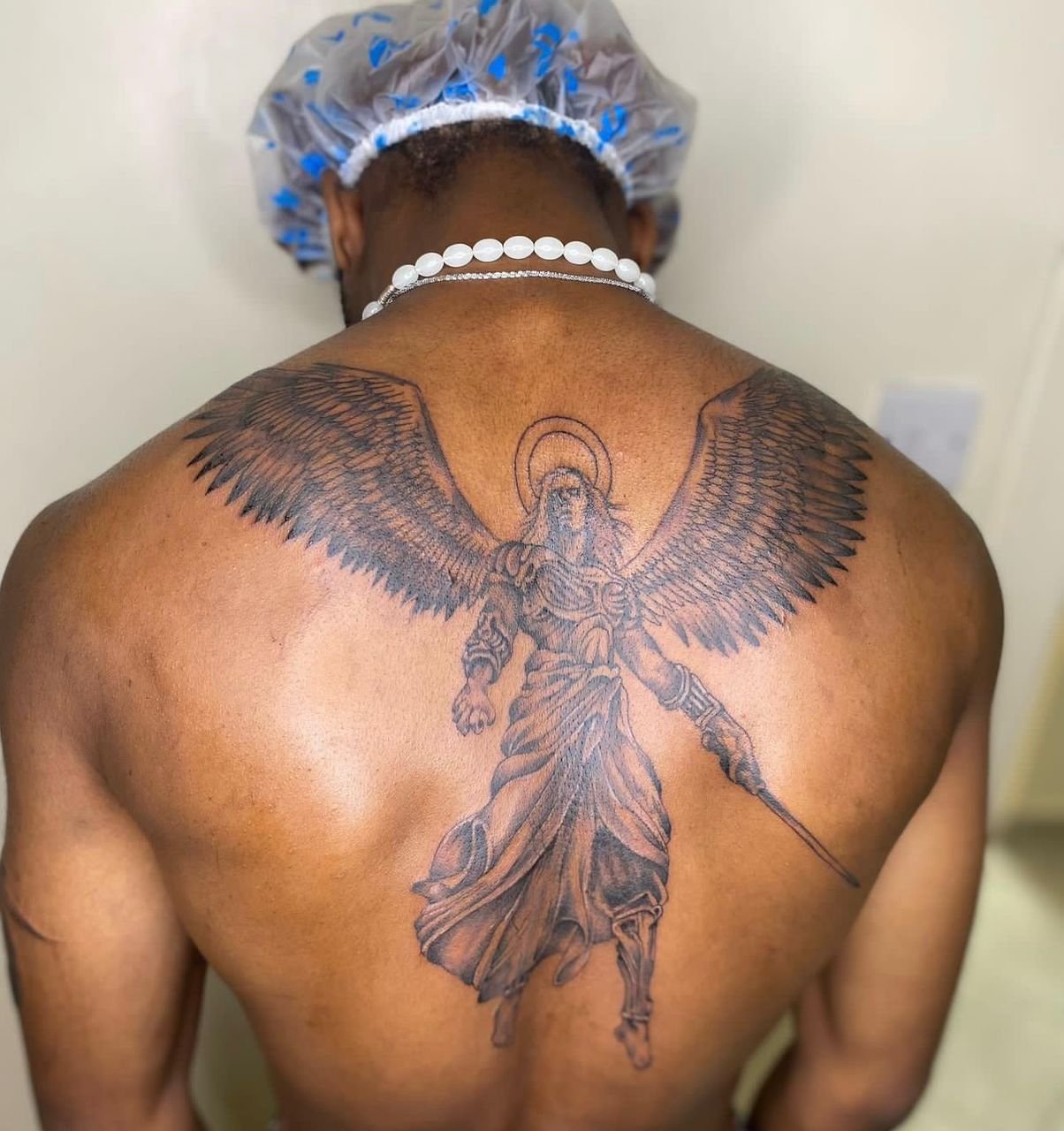
Once considered taboo or rebellious, tattoos have now emerged as a dominant form of self-expression, gaining widespread social acceptance and even artistic acclaim.
From boardrooms to runways, tattoos are more visible than ever. According to a 2025 Pew Research Center study, nearly 45% of adults aged 18–40 in the U.S. now have at least one tattoo — a significant rise from just 21% in 2012. What was once a subcultural statement is now a personal narrative worn proudly on the skin.
“People are using tattoos to tell their stories,” says Maya Lopez, a New York-based tattoo artist known for her intricate fine-line work. “It’s not just about aesthetics anymore — it’s about identity, healing, and legacy.”
Changing Perceptions in Professional Spaces
The shift is also evident in the workplace. A 2024 survey by LinkedIn found that 76% of hiring managers no longer consider visible tattoos to be unprofessional, a stark contrast to attitudes from just a decade ago.
“Appearance policies have evolved,” notes HR consultant James Wheeler. “As workplace culture becomes more inclusive, tattoos are increasingly seen as part of individual expression rather than a liability.”
Tattoos as Art
The art world, too, is taking notice. In early 2025, the Museum of Contemporary Art in Los Angeles launched an exhibit titled “Living Canvas,” showcasing the work of globally renowned tattoo artists alongside traditional painters and sculptors.
“It’s time we recognize tattooing as a legitimate art form,” said curator Alicia Tran. “These artists work with skill, vision, and precision — and their medium just happens to be human skin.”
Cultural Conversations and Concerns
Despite the growing popularity, the tattoo boom raises ongoing questions about cultural appropriation, consent, and permanence. Designs inspired by Indigenous or religious symbols are under increased scrutiny, with communities calling for more respectful engagement.
“There’s a difference between appreciation and appropriation,” says Dr. Aisha Rana, a cultural studies professor at UCLA. “Artists and clients alike need to educate themselves on the meanings behind the imagery.”
Tech Meets Tradition
Technology is also reshaping the industry. Advances in ink formulas, laser removal, and even augmented reality (AR) previews are making tattoos safer and more customizable than ever before.
“Clients can now see a virtual version of their tattoo before the needle even touches the skin,” explains tattoo tech entrepreneur Eli Zhang. “It’s revolutionizing decision-making and reducing regret.”
